
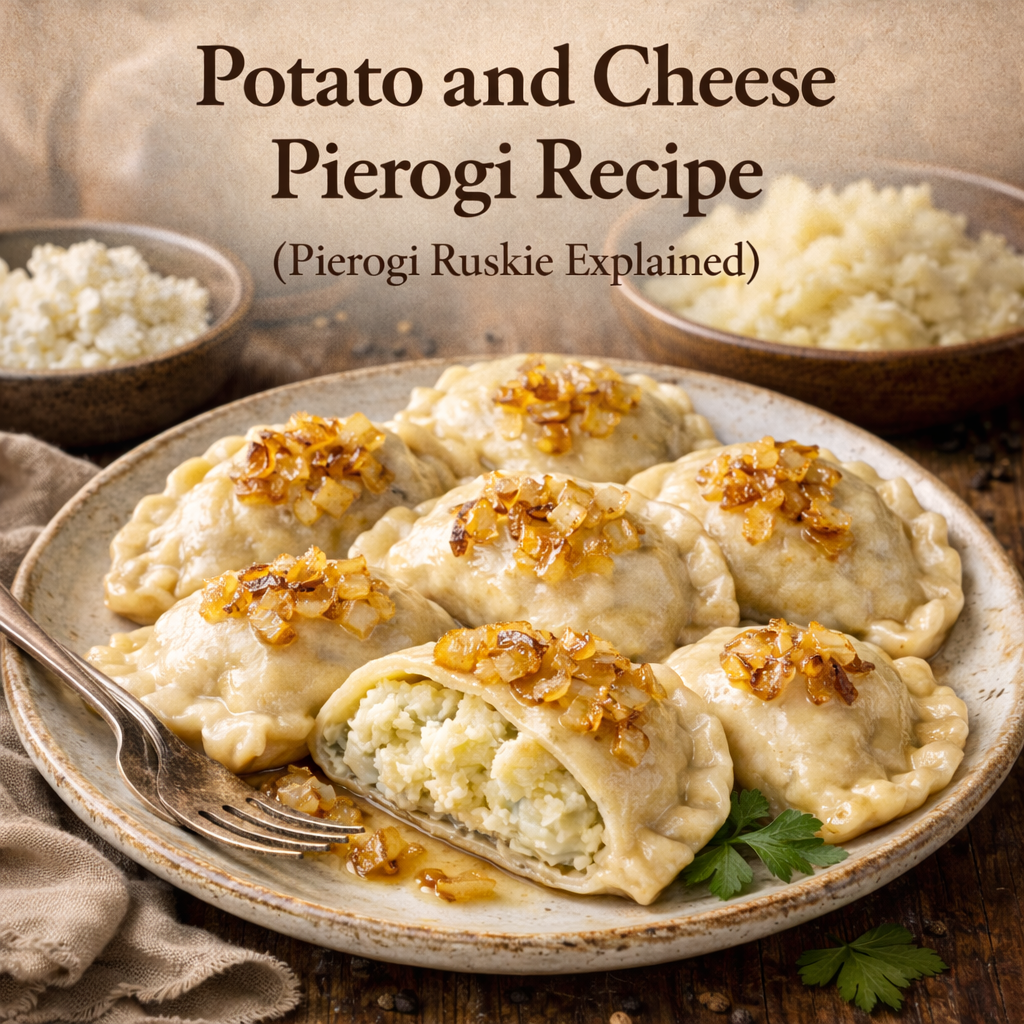
Polish Meat Pierogi / Pierogi z Mięsem
Meat Pierogies Recipe aksar Polish meat pierogi ke sath jori jati hai, jinhain pierogi z mięsem bhi kaha jata hai. Ye ek mashhoor Eastern European staple hain jo gehri tarah Polish cuisine aur Polish tradition ka hissa hain. Ye dish khas taur par Christmas Wigilia par banai jati hai, lekin asal me ye year-round pierogi hain jo har mausam me khaye jate hain. Mukhtalif pierogi varieties me se meat-filled pierogi ya mięsne sab se zyada pasand ki jati hain, kyun ke ye comforting dumplings hoti hain jo naram dough pockets ke andar bhari hoti hain. Ye asal me Polish-style pockets of dough hain jo sadiyon se gharon me ban rahe hain aur traditional Polish dumplings ki pehchan hain.
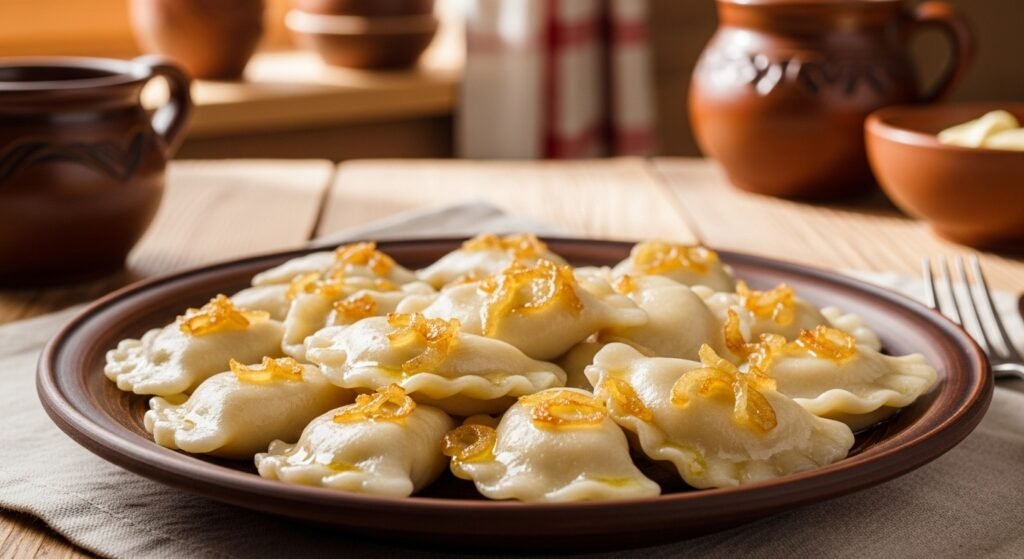
Mere tajurbe me, meat pierogi ki khoobi un ki simplicity me hoti hai. Achay tareeke se tayar kiya gaya filling aur theek tarah se band ki hui dough jab pakti hai, to har bite me balance mehsoos hota hai. Isi wajah se ye Polish meat pierogi sirf ek recipe nahi balkay ek riwaayat hain, jo logon ko bachpan, family dinners, aur ghar ke khanay ki yaadein dila deti hain.Along with meat pierogies, classics like the potato and cheese pierogies recipe are also deeply rooted in Polish home cooking.
Pronunciation Made Simple
The correct meat pierogi pronunciation can feel confusing at first, but a simple pronunciation guide helps. It is said as pierre oghee smien sem, which reflects proper Polish pronunciation rather than an English-style reading. Learning the name the right way adds confidence, especially when talking about traditional dishes with family or friends who value authenticity.
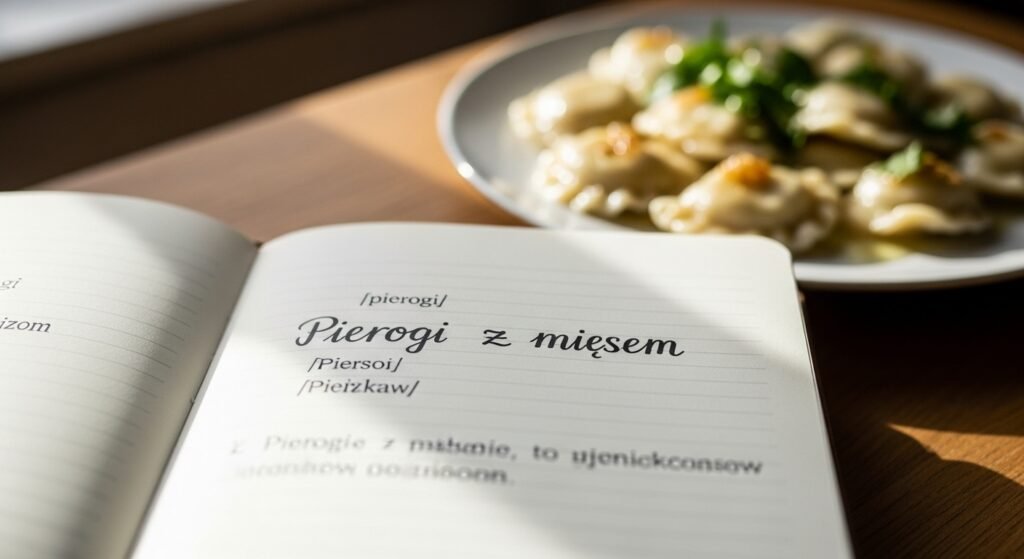
From my own experience, once you say it a few times out loud, it becomes natural. Understanding how pierogi z mięsem sounds connects you more closely to the culture behind the recipe and makes the dish feel less foreign and more familiar.
Meat Sources and Traditional Origins
Traditional meat pierogi grew from smart kitchen habits shaped by history. Using leftover meat from rosół soup or other meals was common, especially when food came from a communist country marked by food scarcity. Families relied on broth meat cooked in clear broth, whether it was chicken broth meat, beef broth meat, or even turkey leftovers, making sure there was no food waste.
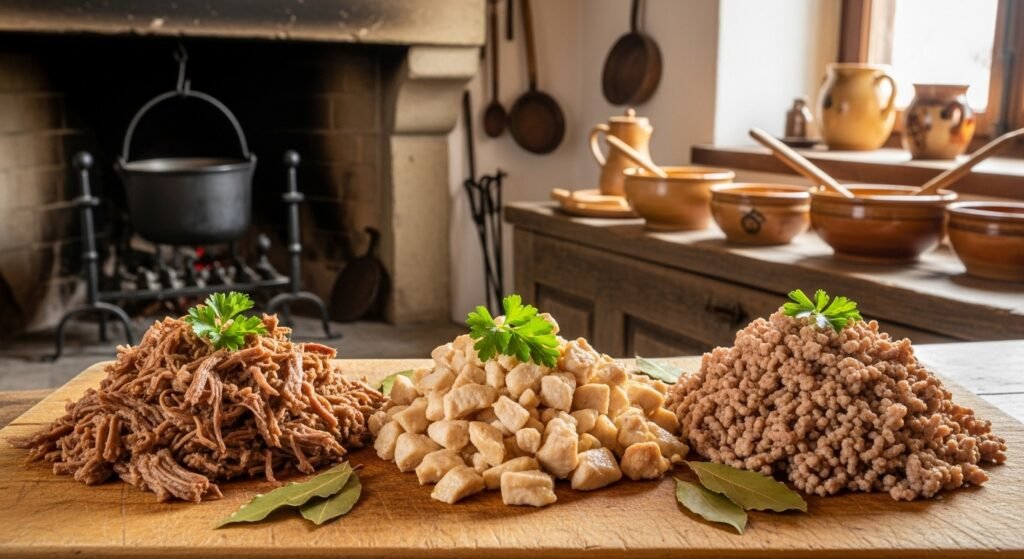
This practice followed the Sunday soup tradition, where pork meat, chicken meat, beef meat, or a meat combination was reused instead of discarded. That mindset still defines authentic meat pierogi today, where flavor and practicality go hand in hand.While sour cream and butter are traditional, exploring different options from the best sauces for perogies can add more flavor to meat pierogies.
Personal Experience and Family Tradition
For many families, meat pierogi are tied to deep memories and routine. In my case, it reflects family tradition, similar to stories shared by daughter Hanna, age eleven, who learned by watching and helping. Making homemade pierogi often starts with making pierogi with mom, turning simple cooking into lasting childhood memories and a shared learning process.
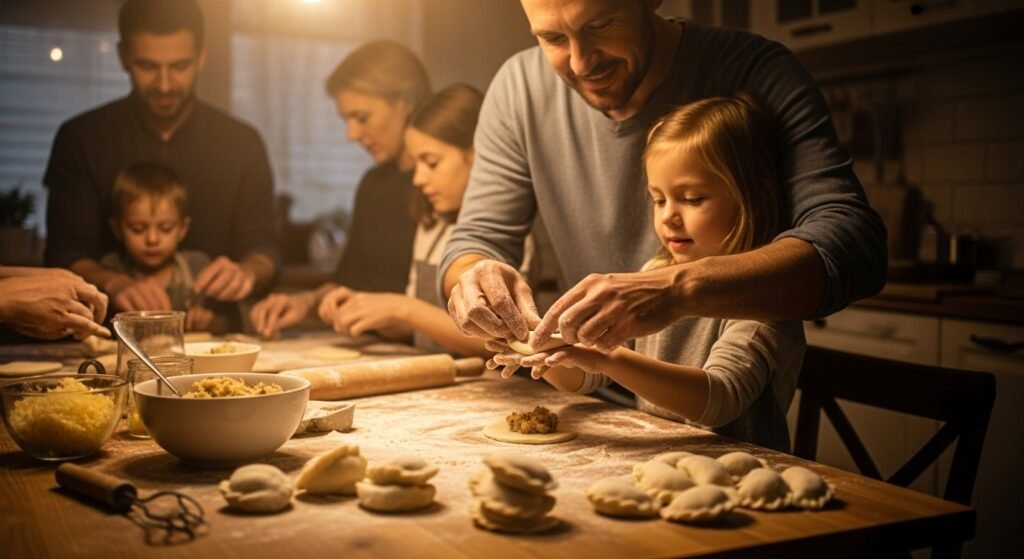
Over time, improving shaping skills becomes a point of pride, and an emotional connection forms around the food. In a Polish American family, this kind of year-round cooking is especially meaningful during holiday meals, when pierogi bring generations together at the table.
Dough, Boiling, and Frying Process
The success of meat pierogi depends heavily on technique. Pierogi dough importance cannot be overstated, as the dough covering filling must stay intact during cooking. Proper water heating until a slight boil, followed by salt addition and oil addition—often just a spoonful of oil—helps during boiling pierogi. Gentle stirring pierogi is key for preventing sticking.
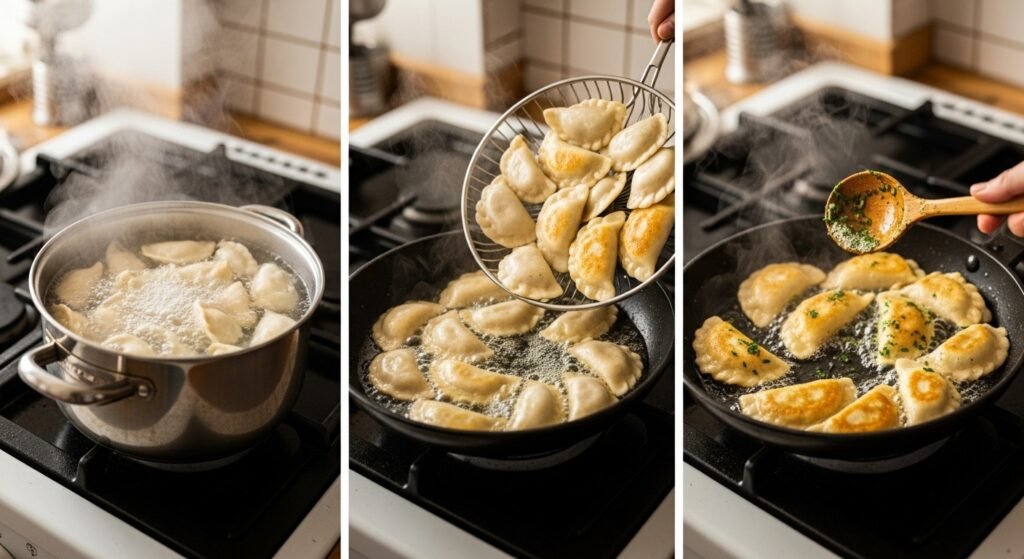
When the dumplings rise, floating pierogi signal doneness. After cooling pierogi, many cooks use a buttered pan for pan frying pierogi until golden both sides, before serving pierogi warm. This final step adds texture without overpowering the filling.
Ingredients Used in Meat Pierogies
Authentic meat pierogi ingredients start with cooked meat, often beef chuck, pork roast, or poultry meat like turkey meat, and sometimes game meat. Aromatics such as white onion or large onion, combined with salt, pepper, and freshly ground pepper, build depth, while garlic powder, garlic cloves, and marjoram add classic seasoning.
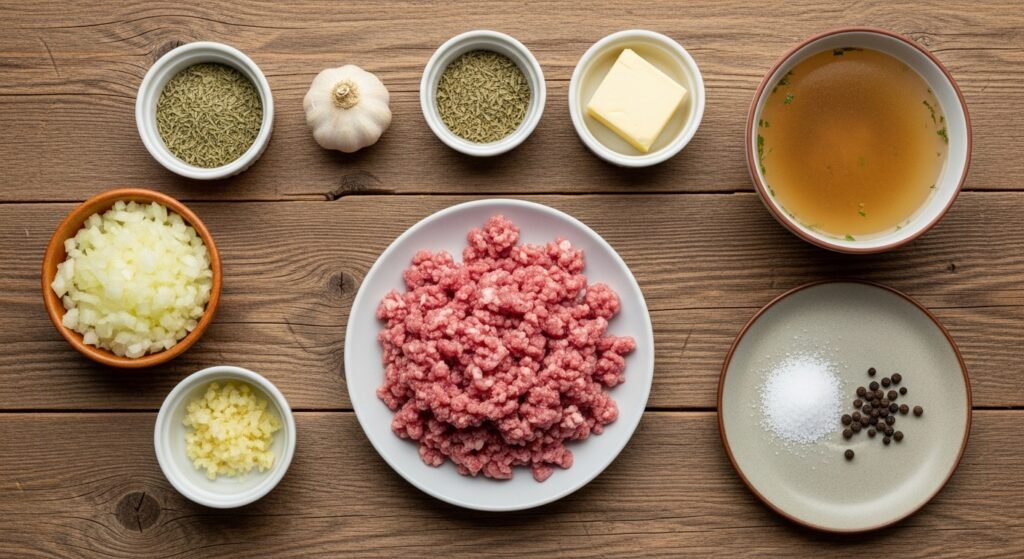
Moisture and flavor come from broth from cooking meat, whether beef broth, chicken broth, or turkey broth. Fats like butter and canola oil round out the filling, ensuring it stays rich and smooth once sealed inside the dough.A soft and elastic dough is the base of good pierogies, and following a trusted method like this best pierogies dough recipe makes the process easier.
What Goes Into the Dough
Good pierogi always start with the right pierogi dough ingredients, and in my experience, balance matters more than complexity. A simple mix of all-purpose flour, salt, and either warm water or hot water creates the base of a classic flour water dough. Some cooks add milk or butter for richness, while others include eggs, which is where the long-standing egg debate comes in. I often lean toward egg-free dough because it gives a more soft dough that stays pliable dough and stretches into an elastic dough without tearing.
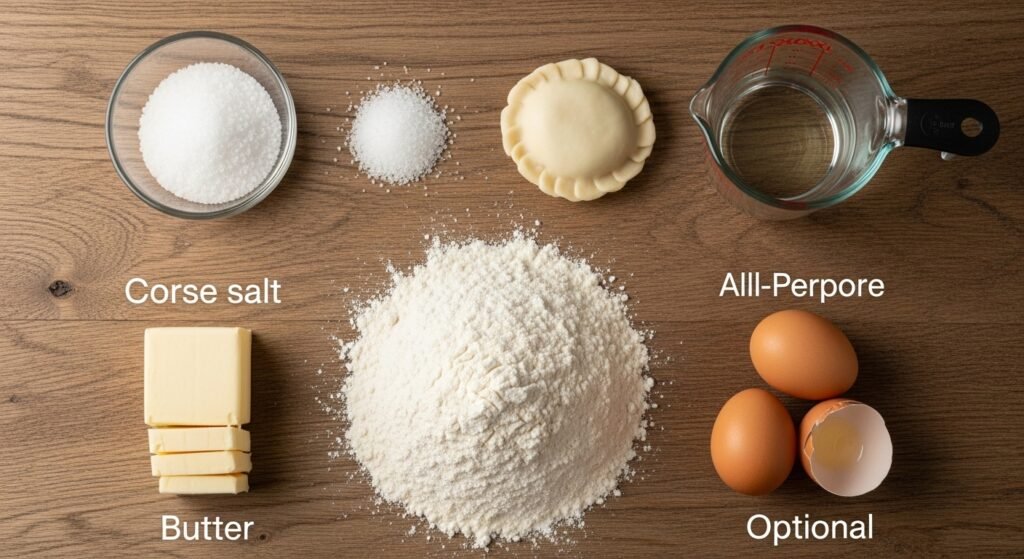
Over time, I’ve found that adjusting liquids slightly changes the feel, but the goal is always the same: a dough that is easy to work with and forgiving. When the texture is right, these simple ingredients come together smoothly and hold their shape well during cooking.
Preparing the Meat Filling
The filling starts with properly handling the meat. First, you cook meat, or sometimes rehydrate meat to soften meat if it’s leftover. Then you chop onion and sauté onion until it becomes a lightly fried onion, and add parsley for freshness. I usually run everything through a meat grinder using the smallest grinding plate, but a food processor or blender option works too. Gentle pulsing meat helps keep texture instead of turning it into paste.
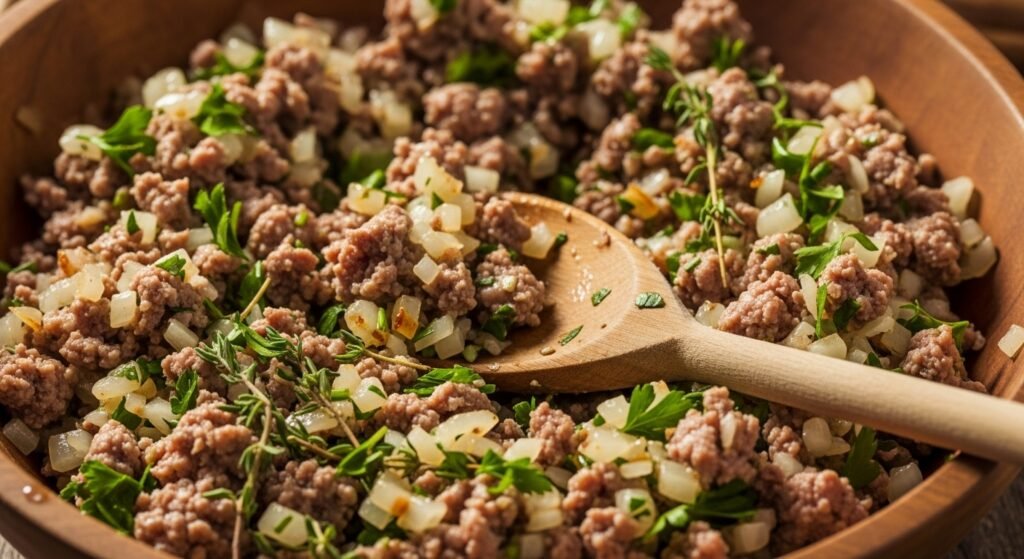
Next comes seasoning filling with careful salt seasoning and pepper seasoning, then adjusting broth moisture so the mixture becomes a slightly sticky filling. Once the texture feels right, the filling ready stage is reached, and it’s best to set aside filling so flavors settle before assembly.While meat is the traditional filling, there are many other options worth exploring in these pierogies stuffing ideas.
Mixing and Resting the Dough
You can make pierogi dough using a standing mixer fitted with a dough hook, but a hand kneading option works just as well. The key is steady kneading dough for about six to seven minutes kneading until it turns into a smooth dough that still feels like an elastic dough. I’ve learned not to rush this step, as proper kneading makes shaping much easier later.
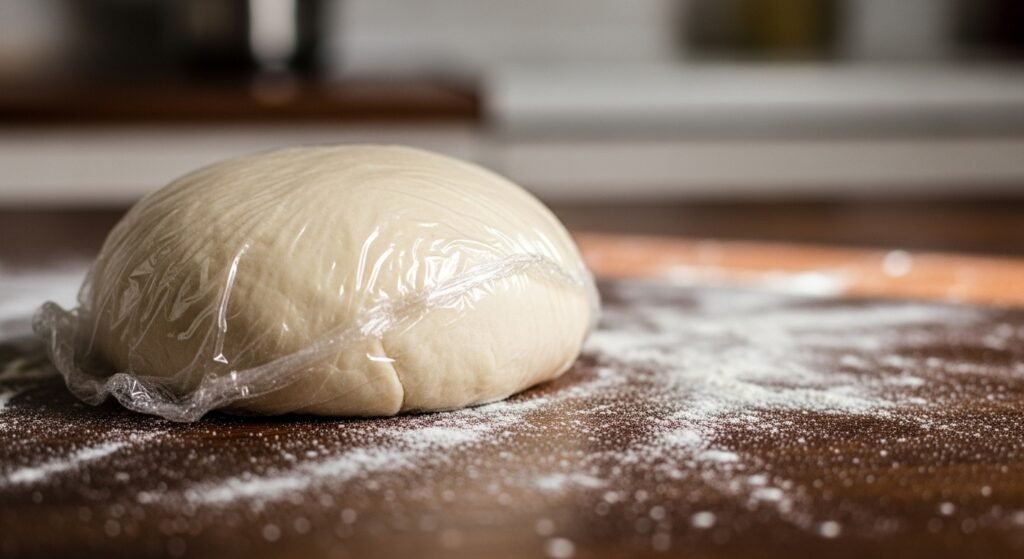
After mixing, dough resting is essential. Cover it with plastic wrap and allow a full thirty minutes rest. This short pause relaxes the gluten and makes rolling far less tiring.
Shaping the Pierogies
Once rested, start dividing dough and rolling dough into thin sheets. I usually switch between a glass cutter or pastry cutter for cutting circles, depending on what’s nearby. Add teaspoon filling or one and half teaspoons filling, then begin folding dough over the filling. Proper sealing edges is important, and I prefer fork sealing for extra security.
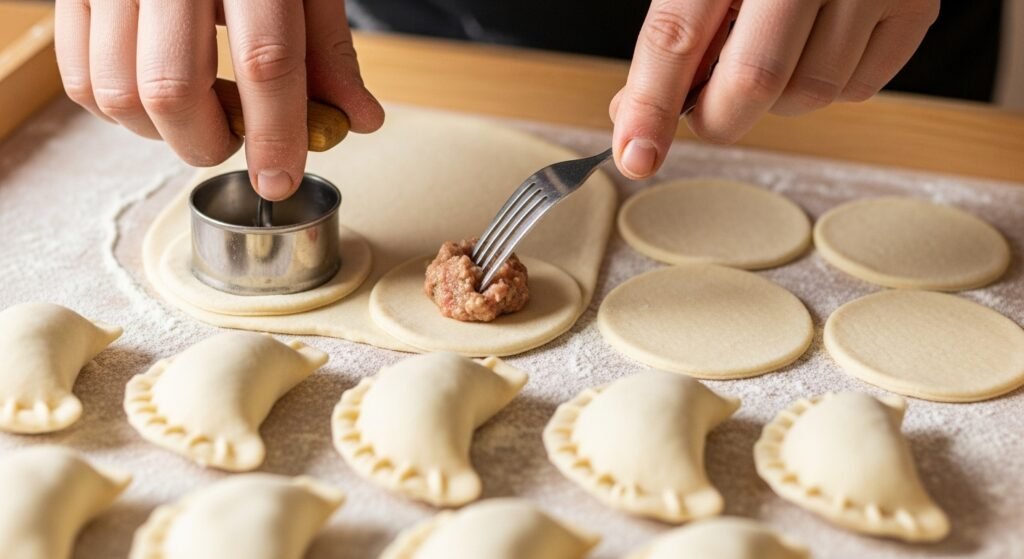
During batch assembly, you’ll often end up with excess dough or excess filling, which is normal. I like using leftovers for practice shaping dumplings, especially when teaching someone new.
Cooking the Pierogies
Cooking starts with boiling water in a large pot filled with salted water. After adding pierogi, slightly reducing heat creates simmering water, which prevents breakage. Watching for floating pierogi doneness is key, whether it takes three minutes cooking or five to six minutes cooking, depending on thickness.
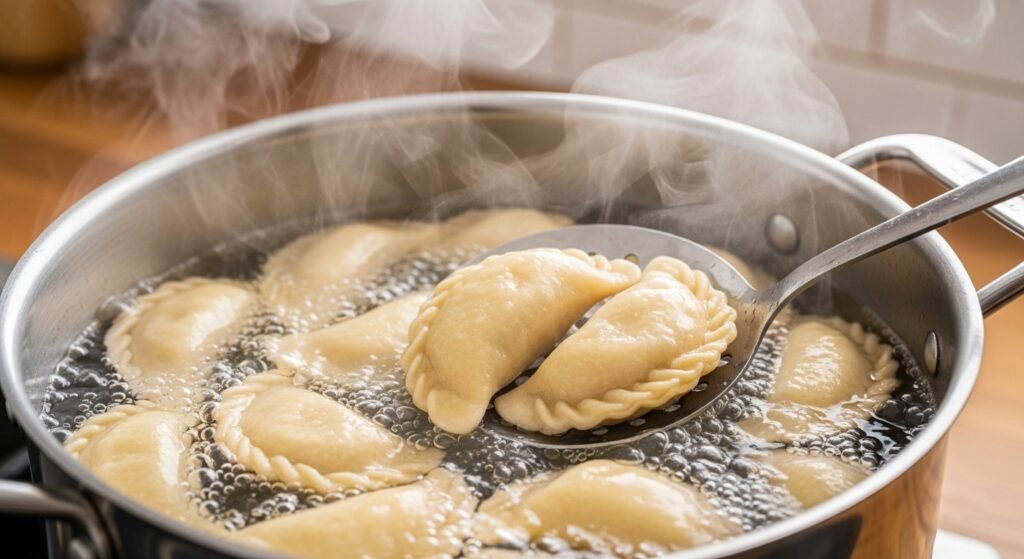
Use a slotted spoon for gentle removal and continue batch cooking until finished. A small oil splash in the pot helps create non-sticking pierogi, making the process smoother and less stressful.
How to Serve Meat Pierogies
The best serving ideas for meat pierogi are simple and traditional. I usually start with a generous fried onions topping or slow-cooked caramelized onions, and sometimes add fried bacon or Polish kiełbasa sausage for extra richness. A sprinkle of chopped chives over melted butter adds freshness, while sour cream balances the flavors perfectly. These classic pierogi toppings work well whether the pierogi are freshly boiled or lightly pan-fried.
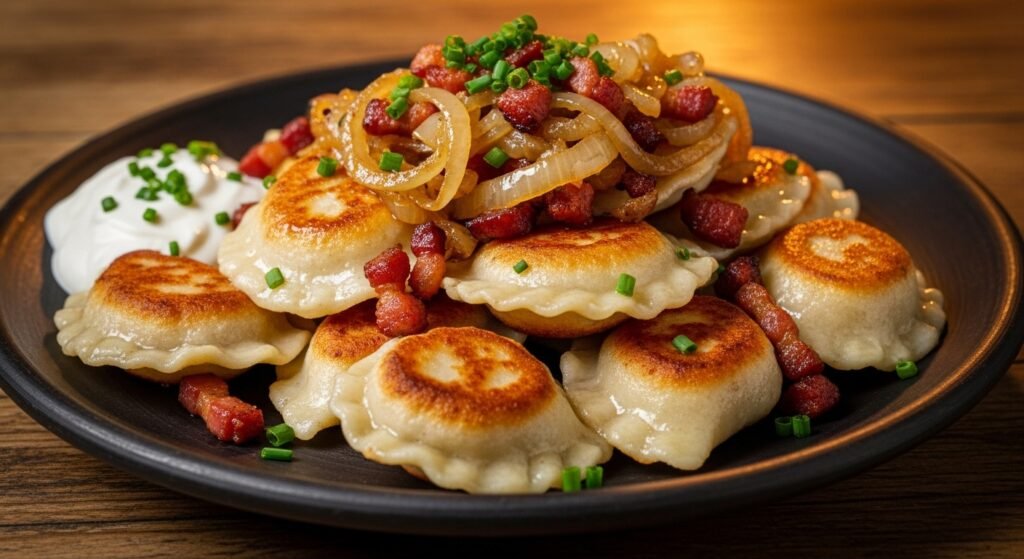
From experience, meat pierogi are filling on their own, but pairing them with a light leafy salad keeps the meal from feeling heavy. This contrast makes the dish feel complete without overpowering the pierogi themselves.
Best Ways to Reheat Pierogies
Proper reheating pierogi keeps them just as enjoyable as when freshly made. The simplest method is boiling water reheating, which warms them evenly, but I personally prefer pan reheating with a little butter frying for a crisp finish. This method creates golden brown pierogi with a soft center, especially when frying from fridge leftovers.
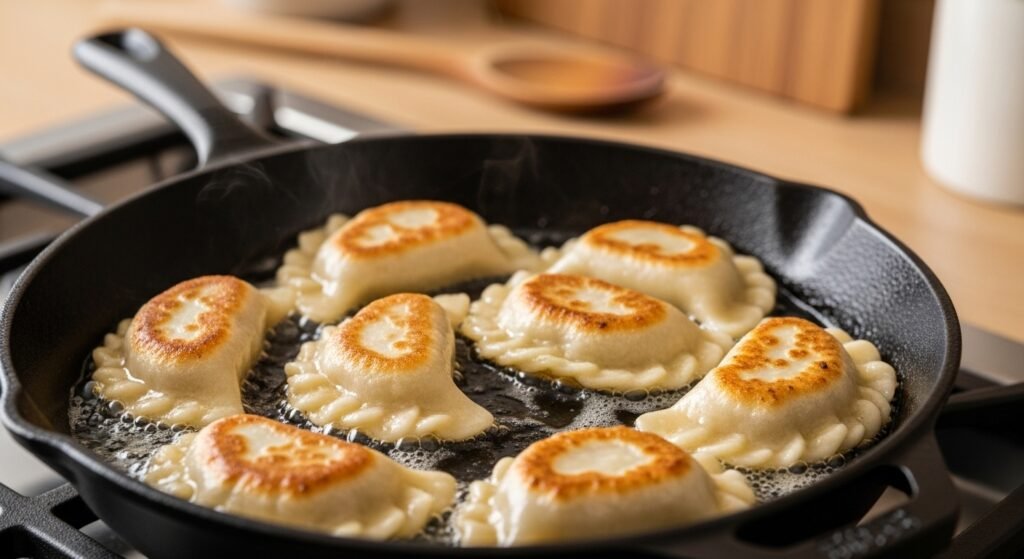
For convenience, microwave reheating works, but it rarely gives the same crispy texture. A covered pan with a splash of water, inspired by the potstickers technique, strikes the best balance between softness and crisp edges.
How to Freeze Meat Pierogies
Meat pierogi are ideal for long-term storage because freezing pierogi is easy and reliable. Always allow cooling before freezing, then arrange them on a tray for baking sheet freezing so the non-touching dumplings don’t stick. I often use a cutting board tray, lightly coated with cooking oil greasing, to speed things up.
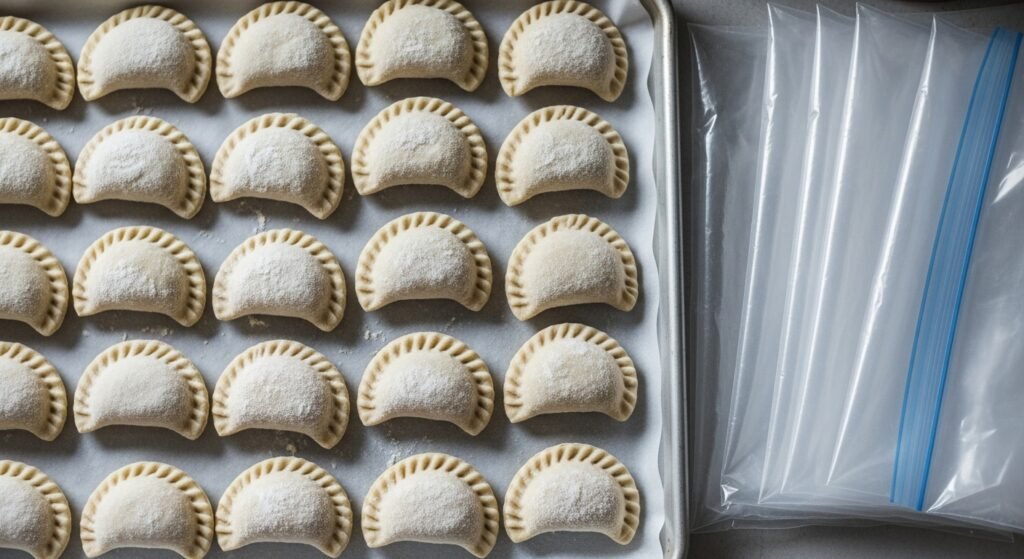
After two hours freezing, move them to zip bag storage or plastic bag storage. Proper freezer labeling helps track time, and freezer friendly pierogi can be kept safely for two to three months storage without losing quality.
Storing Cooked Pierogies
For short-term keeping, proper refrigerator storage is key. Once cooled, pierogi should be placed in an airtight container or a container with lid, or wrapped using cling film wrapping to ensure drying prevention. This keeps their texture intact during three days storage.
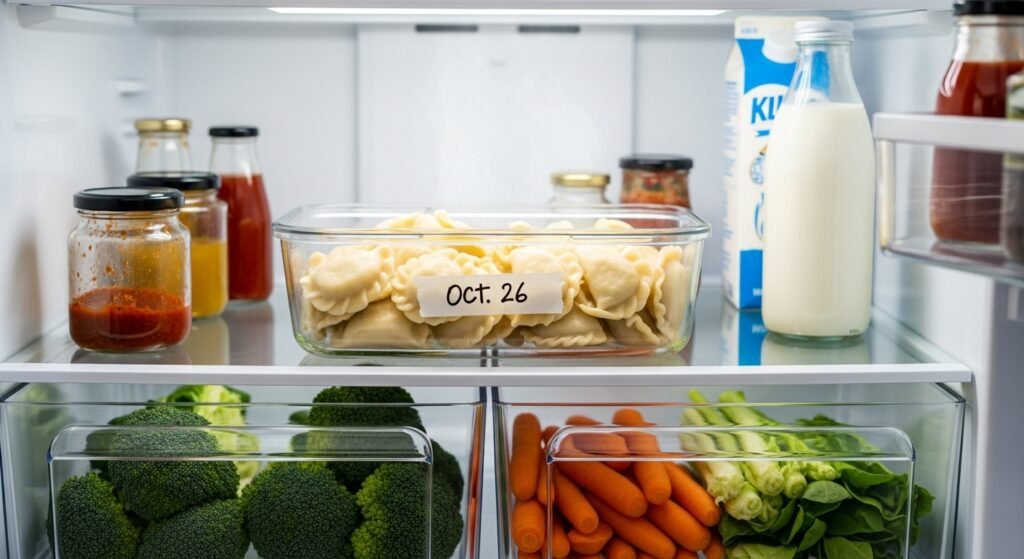
Avoid leaving pierogi out too long, as short table time matters for food safety. Following the three hours limit prevents spoilage and keeps leftovers safe to enjoy later.
Recipe Timing and Yield
Depending on batch size, meat pierogi recipes may produce yield fifty dumplings or yield one hundred dumplings, making them perfect for family meals or freezing. Smaller batches usually have a prep time forty minutes with a cook time fifteen minutes, while larger batches can take a prep time one and half hours and cook time five minutes per batch.
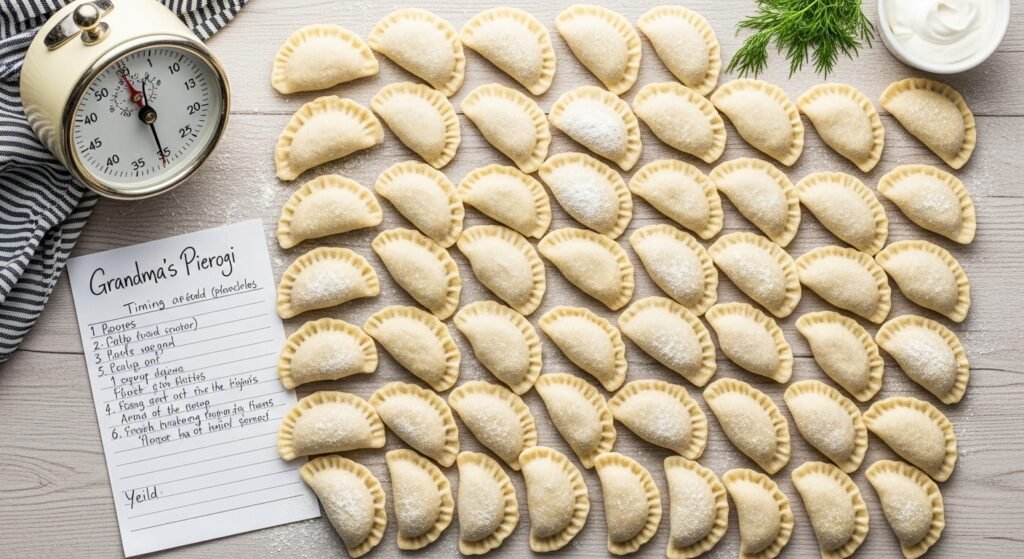
Altogether, many recipes come in around a total time fifty five minutes of active work. When checking ratings and reviews, I’ve noticed that clear timing and realistic yields are what help home cooks plan confidently.
Frequently Asked Questions (FAQs)
What are meat pierogi called in Polish?
Meat pierogi are called Pierogi z Mięsem in Polish. They are a traditional part of Polish cuisine and are commonly served during holidays like Christmas, as well as throughout the year.
What kind of meat is used in traditional Polish meat pierogi?
Traditional meat pierogi are usually made with cooked beef, pork, poultry, or a combination of meats. Very often, the meat comes from leftover broth such as rosół, which adds flavor and avoids waste.
Is the meat raw or cooked before filling the pierogi?
In Polish meat pierogi, the meat is always cooked before filling. This is one of the main differences between pierogi and other Eastern European dumplings that use raw meat.
Can I make meat pierogi using leftovers?
Yes, meat pierogi are perfect for using leftovers. Cooked meat from soup, roast turkey, chicken, or beef can be reused by grinding it with onions, broth, and seasoning.
How do I know when meat pierogi are fully cooked?
Meat pierogi are done when they float to the surface of the water and cook for a few additional minutes. Since the filling is already cooked, only the dough needs to be properly cooked.
What should you serve with meat pierogi?
Meat pierogi are usually served with fried or caramelized onions, melted butter, sour cream, or fried bacon. They are filling on their own, but a light salad can also be served alongside.
Can meat pierogi be steamed or fried instead of boiled?
Yes, meat pierogi can be steamed instead of boiled. After boiling, they can also be pan-fried, baked, or grilled to make them crispy, since there is no raw meat inside.
How long can meat pierogi be stored in the fridge?
Once cooled, meat pierogi can be stored in the refrigerator for up to 3 days in an airtight container or covered well to prevent drying out.
Can you freeze meat pierogi?
Yes, meat pierogi freeze very well. Freeze them in a single layer first, then store them in freezer bags. They can be kept frozen for up to 2–3 months.
How do you reheat meat pierogi?
Meat pierogi can be reheated by boiling briefly, pan-frying in butter until golden, or warming them in a covered pan with a little water. Pan-frying gives the best texture.