
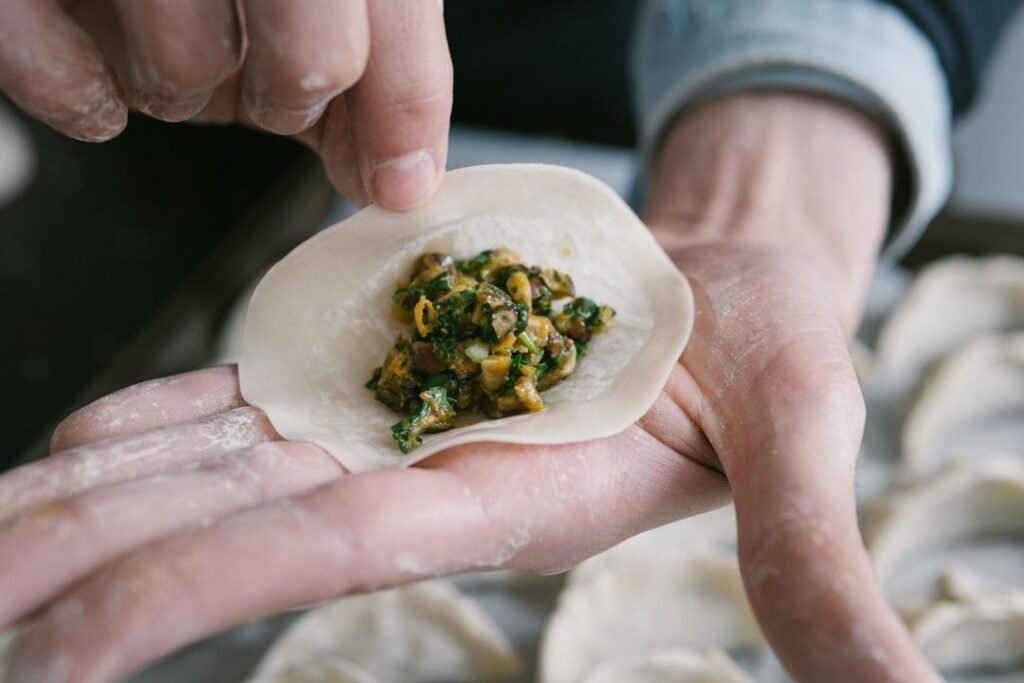
Introduction to Soft Pierogi Dough
Hey there, fellow foodies! If you’re like me, you love a good pierogi, but making the perfect soft pierogi dough can be a challenge. I’ve been there, struggling to get the dough just right, only to have it crack and fall apart when I try to roll it out. But today, I’m excited to share with you my secrets for making soft pierogi dough without cracking. By the end of this post, you’ll learn how to make a delicious, pliable dough that will take your pierogi game to the next level. The key to success lies in using the right ingredients and techniques, so let’s dive in and explore the world of soft pierogi dough.
Ingredients for Soft Pierogi Dough

To make soft pierogi dough, you’ll need the following ingredients:
- 2 cups all-purpose flour
- 1/2 cup warm water
- 1/4 teaspoon salt
- 2 tablespoons vegetable oil
- 1 egg, beaten
These ingredients will give you a basic dough that you can use for a variety of fillings. Of course, you can always experiment with different ingredients and flavor combinations to create your own unique pierogi creations.
Step-by-Step Instructions for Soft Pierogi Dough

Now that we have our ingredients, let’s move on to the fun part – making the dough! Here’s a step-by-step guide to help you create the perfect soft pierogi dough:
- In a large mixing bowl, combine the flour, salt, and vegetable oil. Mix the ingredients together until they form a crumbly mixture.
- Gradually add the warm water to the bowl, stirring the mixture with a wooden spoon until it forms a shaggy dough.
- Beat in the egg until it’s fully incorporated into the dough.
- Knead the dough on a floured surface for about 5-7 minutes, until it becomes smooth and pliable.
- Form the dough into a ball and let it rest for at least 30 minutes. This will allow the gluten to relax, making the dough easier to roll out.
- Divide the dough into smaller pieces, depending on how large you want your pierogi to be. Roll out each piece into a thin circle, using a rolling pin or your hands.
And that’s it! With these simple steps, you should be able to create a delicious, soft pierogi dough that’s perfect for filling with your favorite ingredients.
Understanding the Science Behind Soft Pierogi Dough

So, what makes soft pierogi dough so special? The key lies in the combination of ingredients and the way they interact with each other. The flour provides structure and texture, while the warm water helps to create a smooth, pliable dough. The egg adds richness and moisture, while the vegetable oil helps to keep the dough tender. By understanding how these ingredients work together, you can create a dough that’s both delicious and easy to work with.
Tips and Tricks for Soft Pierogi Dough

Here are a few tips and tricks to help you create the perfect soft pierogi dough:
- Use the right type of flour: All-purpose flour is the best choice for soft pierogi dough, as it provides a good balance of structure and tenderness.
- Don’t overwork the dough: Mix the ingredients just until they come together, and avoid over-kneading the dough. This can lead to a tough, dense dough that’s difficult to roll out.
- Let the dough rest: Allowing the dough to rest for at least 30 minutes will help the gluten relax, making it easier to roll out and shape into pierogi.
- Use the right filling: Choose a filling that’s not too wet or too dry, as this can affect the texture of the dough. A good filling should be moist but not soggy, and should complement the flavor of the dough.
Serving Suggestions for Soft Pierogi
Now that you have your soft pierogi dough, it’s time to think about serving suggestions! Here are a few ideas to get you started:
- Boil the pierogi in salted water until they float to the surface, then top with melted butter and sour cream.
- Pan-fry the pierogi with some onions and garlic for a crispy, savory exterior.
- Top the pierogi with a variety of ingredients, such as cheese, bacon, or chives, for a delicious and satisfying meal.
The possibilities are endless, and the best part is that you can customize your pierogi to suit your tastes and preferences.
Frequently Asked Questions
Here are a few frequently asked questions about soft pierogi dough:
- Q: What type of flour is best for soft pierogi dough?
- A: All-purpose flour is the best choice for soft pierogi dough, as it provides a good balance of structure and tenderness.
- Q: How long should I let the dough rest?
- A: Let the dough rest for at least 30 minutes to allow the gluten to relax, making it easier to roll out and shape into pierogi.
- Q: Can I freeze the dough?
- A: Yes, you can freeze the dough for up to 3 months. Simply wrap it in plastic wrap or aluminum foil and thaw it when you’re ready to use it.