
Traditional Pierogi Fillings
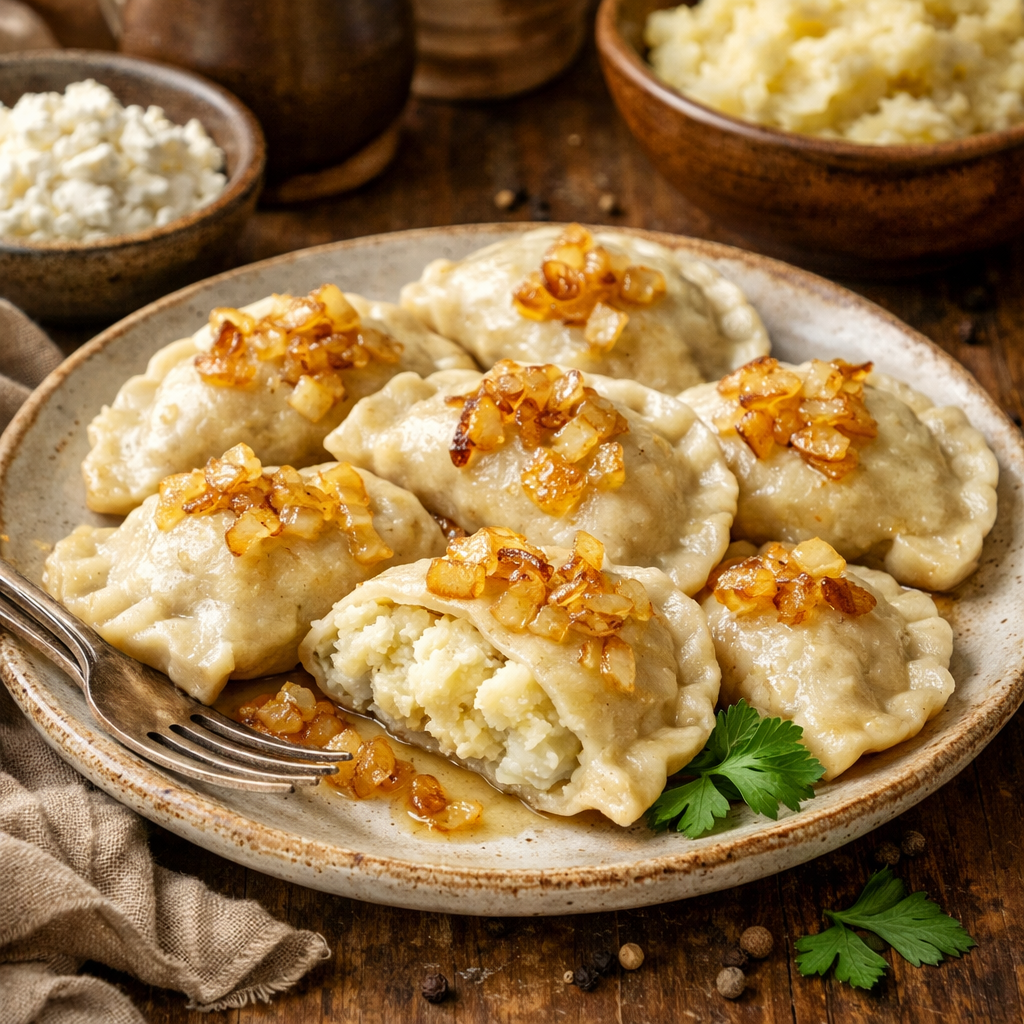
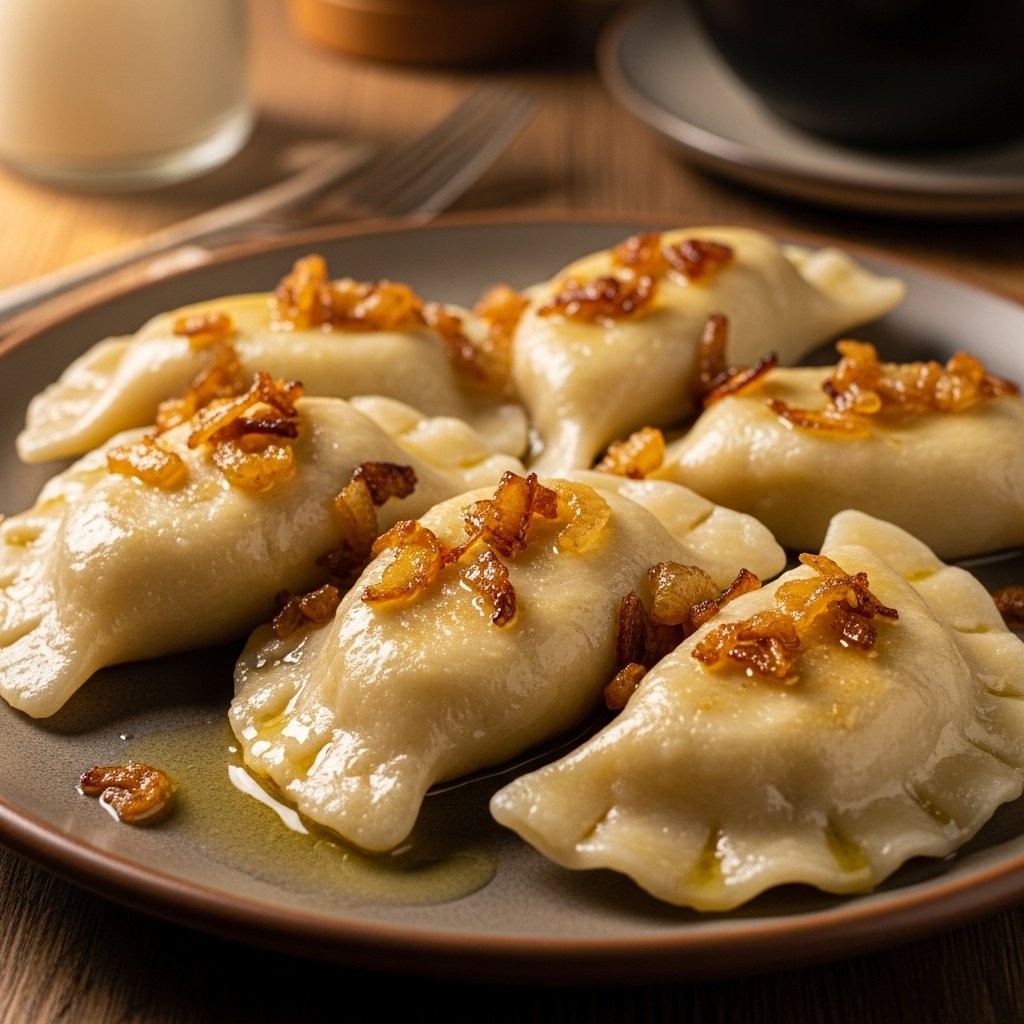
Pierogies stuffing ideas rooted in tradition sit at the heart of Polish pierogi fillings and rely on classic stuffing that feels familiar and reliable. The most common base is a potato filling made from mashed potatoes blended with farmer cheese or twaróg cheese, creating a smooth potato cheese filling. Flavor builds through onion filling, usually prepared as fried onions or butter fried onions, adding depth to the overall savory filling. This style reflects real Polish home cooking, where comfort food stuffing focuses on balance, simple ingredients, and mild seasoning rather than heavy flavors.

From my experience, an authentic Polish filling works best with mild seasoning, mainly salt and pepper, so the creamy filling texture and smooth consistency stay intact. These recipes often come from a family recipe filling, passed down as a heritage filling made with simple ingredients and a slightly rustic filling style. The result delivers a classic comfort taste rooted in pierogi tradition, perfect as an everyday filling and still loved as classic pierogi fillings, basic fillings, and other simple pierogi filling ideas.
Sauerkraut and Mushroom Fillings
Sauerkraut filling is a core part of pierogi stuffing ideas, especially when made as sauerkraut and mushroom filling rooted in Eastern European flavors. This filling starts with fermented cabbage, carefully prepared for moisture control by using drained sauerkraut, then combined with wild mushrooms, dried mushrooms, or deeply flavored porcini mushrooms. Cooking sautéed mushrooms over a slow flame with an onion mushroom base and a gentle garlic addition develops layers of earthy flavor, tangy flavor, and lasting umami richness, which defines the soul of this filling.These bold, earthy flavors pair best with the right sauces for perogies, especially when you want to balance tanginess and richness.
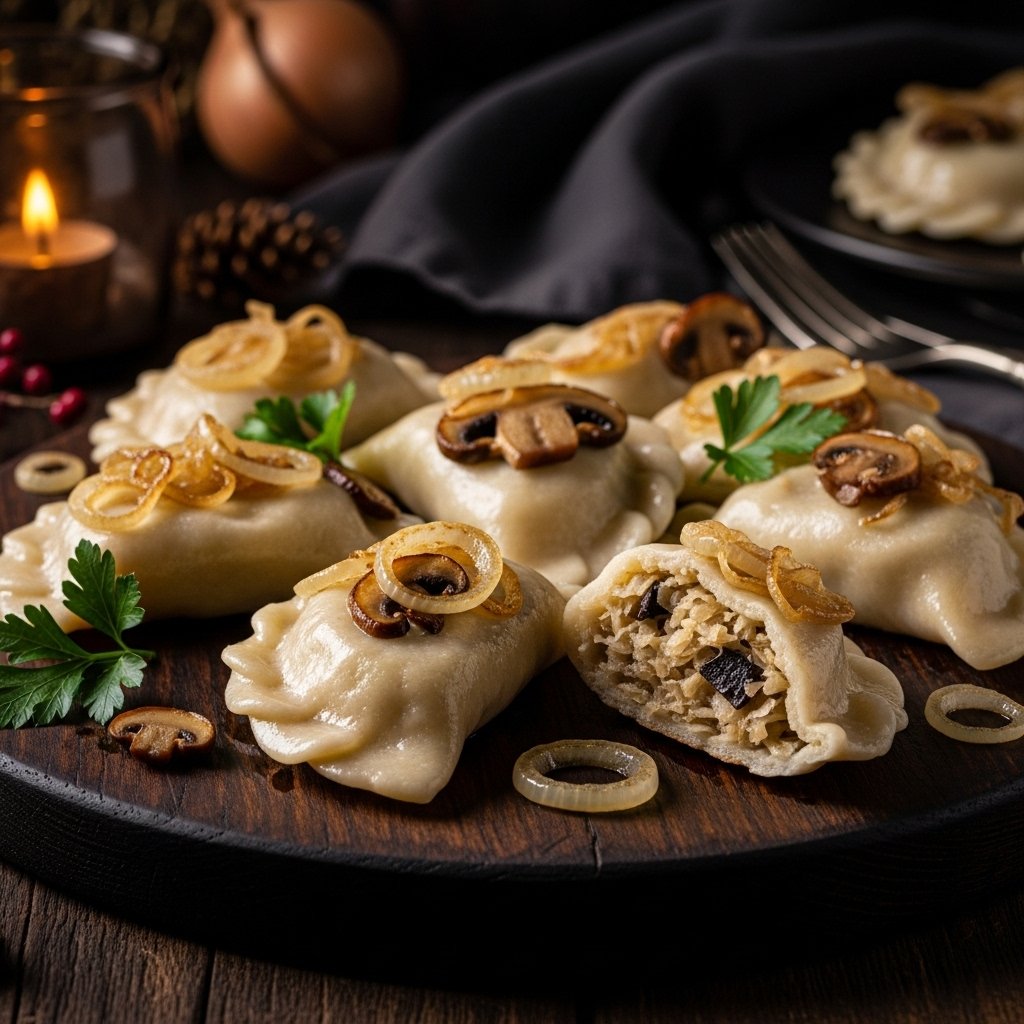
In traditional kitchens, this slow cooked filling is known as a traditional Polish Christmas filling, often served as Wigilia pierogi during holidays. Because it is a meatless filling, it naturally fits both vegetarian traditional filling needs and festive meals. The final cabbage mushroom stuffing delivers a deep savory taste with a rustic stuffing texture that feels hearty without being heavy. Over years of cooking, I’ve found these mushroom filling ideas work best when patience is used, making this a dependable holiday pierogi filling that balances tradition and comfort perfectly.
Table of Contents
Meat Pierogi Fillings
Meat pierogi fillings are ideal when you want something filling and deeply satisfying. Common options include pork filling, beef filling, chicken filling, and turkey filling, usually prepared with minced meat or ground meat stuffing. I often rely on cooked meat filling made from leftover meat filling, which saves time and adds depth. Mixing meat with an onion meat mixture and light garlic seasoning creates a savory stuffing that feels rich without being heavy. These fillings deliver a rich protein filling and a hearty filling that fits perfectly into family-style meals.

In traditional meat pierogi, balance matters as much as flavor. Drawing from Eastern European meat fillings, the goal is a juicy filling texture that stays tender, not greasy. Cooking the filling as a pan cooked filling helps control filling density while keeping the well seasoned meat consistent throughout. When done right, this approach produces comfort food stuffing that feels familiar yet special, resulting in satisfying stuffing that holds its shape, seals well, and tastes just as good reheated the next day.
Sweet & Dessert Pierogi Fillings
Sweet pierogi fillings are a key part of dessert pierogi traditions, especially in traditional Polish desserts served as sweet dumplings during family meals and holidays. Classic fruit fillings like blueberries, strawberries, cherries, apples, plums, and apricots are widely used because they create a natural comfort dessert with a familiar taste. To keep the filling stable, fruit juice control is important, which is why cooks rely on a thickened filling made with a breadcrumbs thickener or cornstarch thickener. This helps maintain a proper juicy filling balance while preserving a soft filling texture that works well inside tender dough.
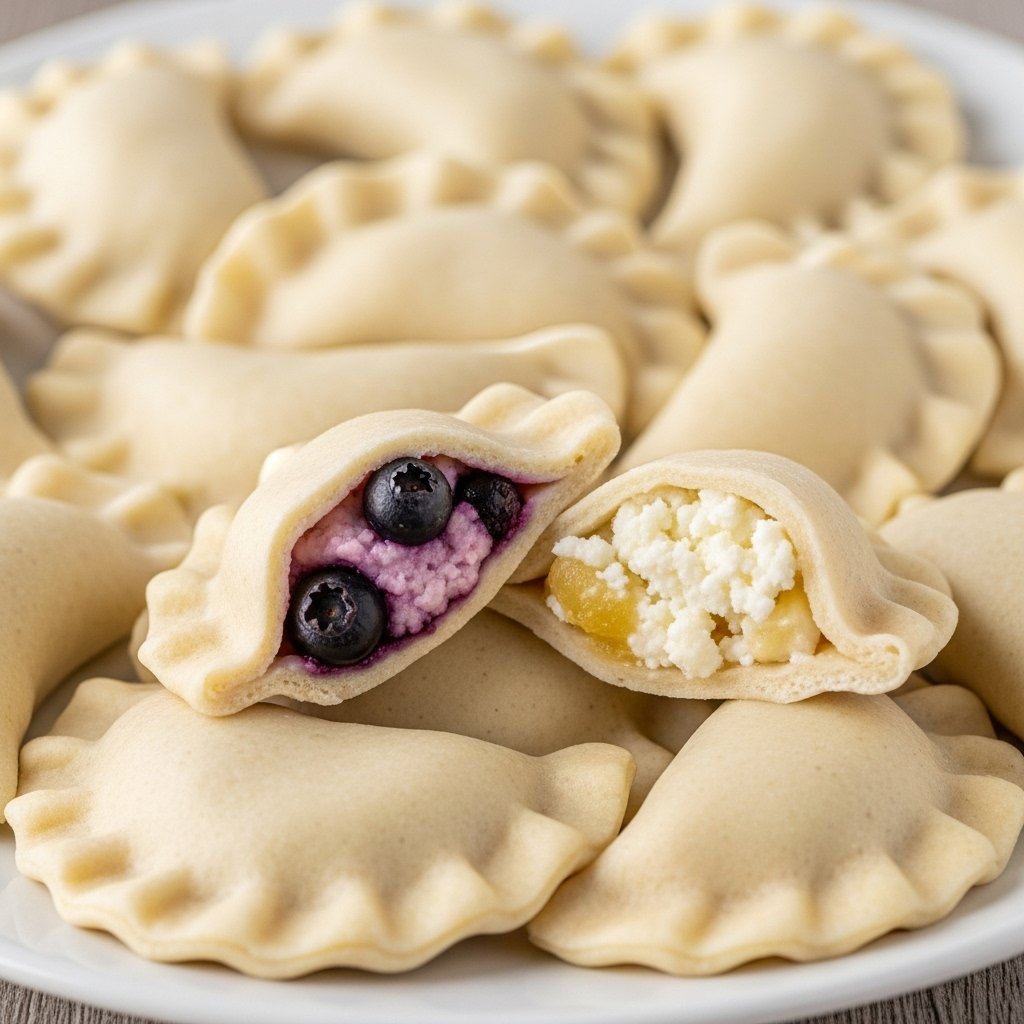
Another popular option is sweet cheese filling, especially a farmer cheese dessert gently mixed with sugar sweetening, vanilla flavor, and a touch of cinnamon spice. From my experience, this combination delivers reliable sweet stuffing ideas that feel both nostalgic and practical for home cooking. These fillings are often used for holiday dessert pierogi, where consistency matters just as much as flavor. When done correctly, these fillings support a smooth bite, balanced sweetness, and the comforting feel that defines classic pierogi desserts.
Modern and Creative Pierogi Fillings
Modern pierogi fillings focus on pushing tradition forward through creative fillings and non traditional stuffing that still respect the comfort of pierogi. Many home cooks now explore fusion fillings inspired by international flavors, such as spinach feta filling, roasted vegetable filling, pumpkin filling, butternut squash filling, and sweet potato filling. These options bring bold flavors while keeping textures balanced, making them perfect for anyone interested in contemporary pierogi ideas rooted in everyday kitchens.
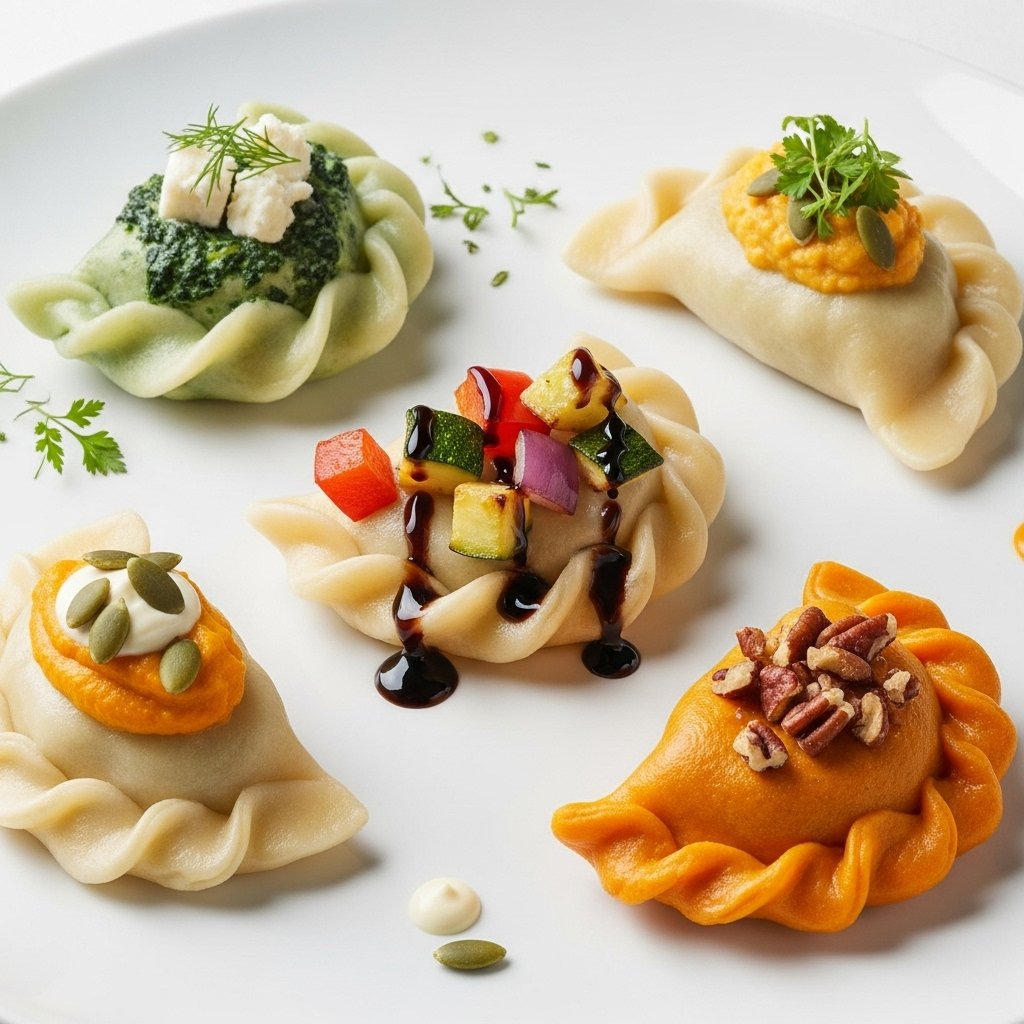
From experience, filling experimentation works best when ingredients are cooked and seasoned before stuffing. Protein-rich options like lentil filling and chickpea filling have become popular as plant based filling choices, especially for vegan pierogi filling needs. These ideas naturally support dairy free stuffing while fitting well into modern home cooking routines. The result is a flexible range of pierogi that feel fresh, satisfying, and well-suited to evolving tastes without losing their identity.
Vegan and Vegetarian Pierogi Fillings
Vegetarian pierogi filling and vegan pierogi filling options have grown popular because they feel light, flexible, and satisfying. Most recipes start with plant based stuffing that avoids heavy ingredients and focuses on balance. Common bases include lentil filling, chickpea filling, mushroom filling, spinach filling, and cabbage filling, all of which work well as a dairy free filling. These combinations create flavorful vegetable filling choices that turn classic dumplings into comforting meatless pierogi without losing texture or taste.

From my experience, the key to a good healthy pierogi filling is seasoning and moisture control. Using vegan cheese filling or tofu filling adds creaminess, while vegetables keep the bite fresh and clean. These ideas fit naturally into modern vegetarian recipes, making them easy to serve for mixed diets. When done right, vegan and vegetarian pierogi feel just as rich and satisfying as traditional versions, while staying simple and nourishing.
Tips for Perfect Pierogi Filling
Strong pierogi filling tips always start with managing filling consistency. The most common mistake is not to avoid watery filling, which is why moisture control matters so much. I always focus on cooling filling fully and using room temperature stuffing before shaping the dough. This helps maintain proper filling texture, whether you prefer smooth vs chunky filling. Good results come from careful seasoning balance, so it is important to taste before filling and adjust early rather than after cooking.
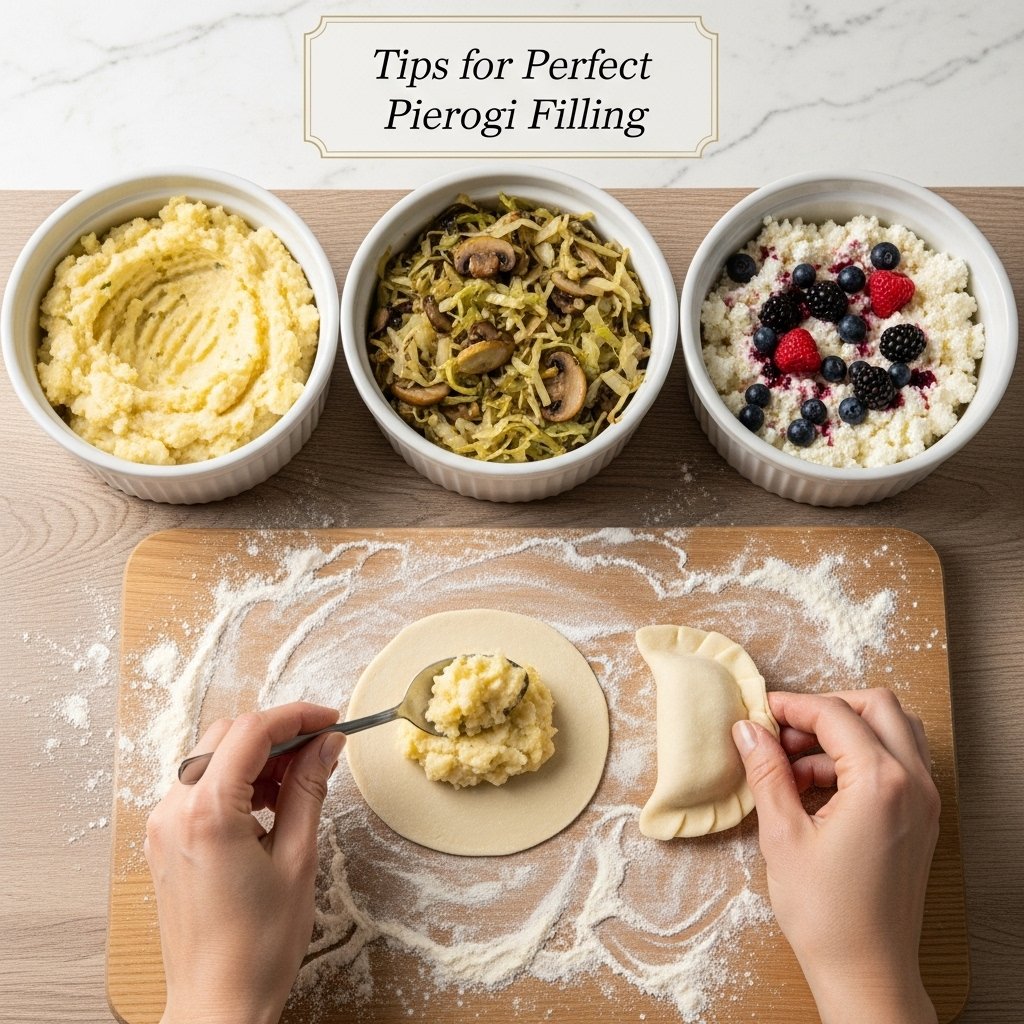
From experience, portion control plays a big role in homemade filling success. You must avoid overstuffing, as too much filling makes sealing edges harder and can prevent bursting only if done correctly. Simple preparation tips like chilling the mixture briefly can improve handling, while smart storage tips allow you to prepare ahead. A good make ahead filling stores well with proper refrigerator storage, and smart leftover filling usage helps reduce waste without losing quality.Even the best fillings work properly only when the dough is thin, soft, and well-sealed, which is why mastering a good pierogi dough matters just as much as the stuffing.

FAQs – Pierogi Stuffing Ideas
What is the most traditional pierogi filling?
The most traditional pierogi filling is potato and cheese made with mashed potatoes and farmer cheese. It is lightly seasoned with salt and pepper and often mixed with fried onions for extra flavor.
How do I stop pierogi filling from becoming watery?
To avoid watery filling, always drain ingredients well and let the filling cool completely before using. Moisture control is important, especially for vegetable, sauerkraut, or fruit-based fillings.
Can pierogi fillings be made ahead of time?
Yes, pierogi fillings can be made ahead of time and stored in the refrigerator. Most fillings keep well for one to two days when stored in an airtight container.
What are good vegetarian or vegan pierogi fillings?
Popular vegetarian and vegan pierogi fillings include lentils, chickpeas, mushrooms, spinach, cabbage, and plant-based cheese. These fillings work well as dairy-free and meatless options.
How much filling should I put in each pierogi?
Use about one tablespoon of filling per pierogi. Proper portion control helps seal the dough easily and prevents the pierogi from bursting while cooking.
Can I use leftover meat for pierogi filling?
Yes, leftover cooked meat can be minced and used for pierogi filling. Mixing it with onions and garlic helps improve flavor and texture.
What are the best sweet pierogi fillings?
Sweet pierogi fillings often include fruits like blueberries, cherries, apples, and plums. Sweet cheese fillings with vanilla and a touch of sugar are also very popular.
Should pierogi filling be smooth or chunky?
Both work well, but the texture should be consistent. Smooth fillings seal more easily, while slightly chunky fillings add texture as long as they are not too dry or watery.